- 19th August 2026
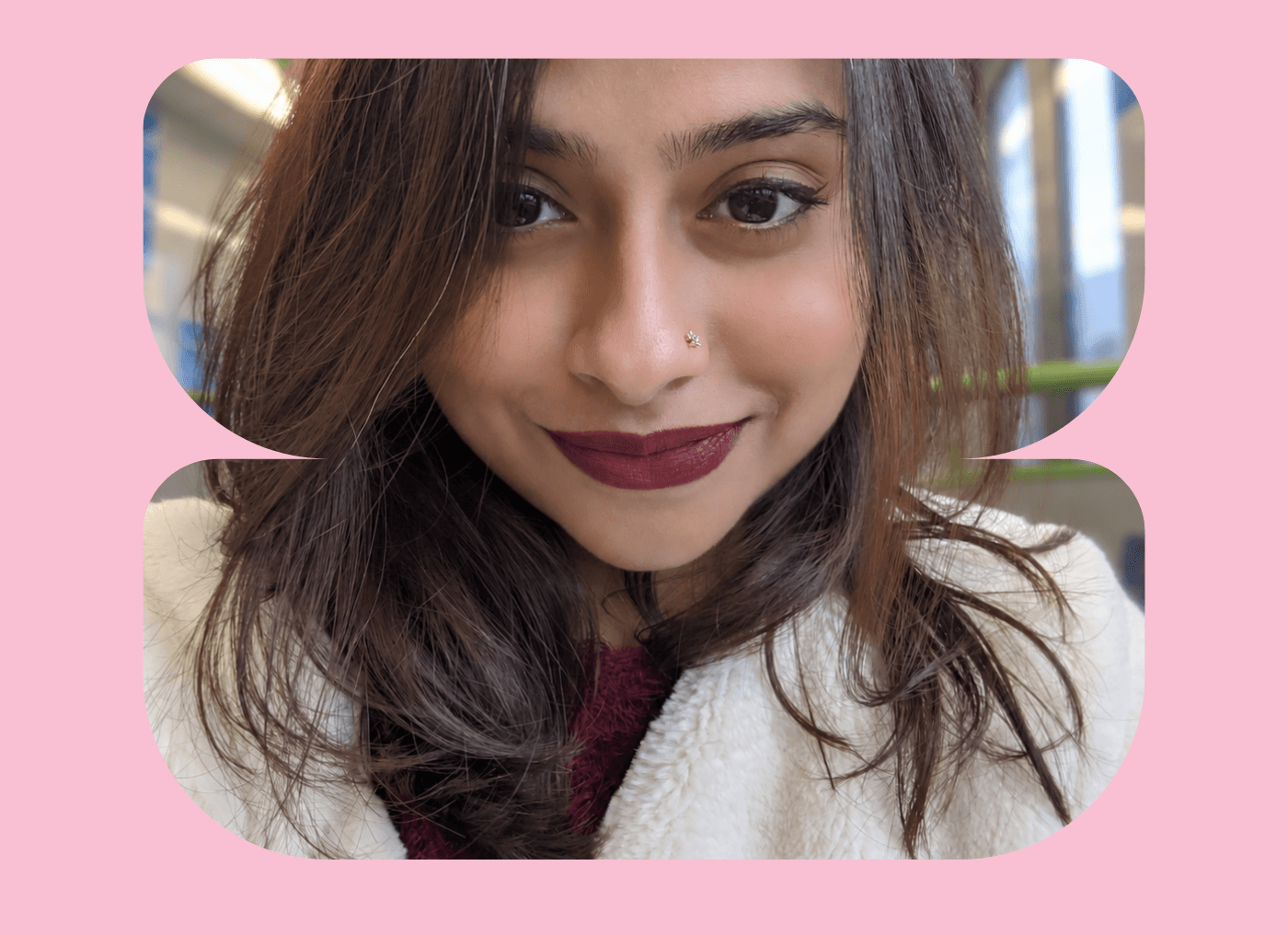
- By Neha Samar
“But you’re one of the good ones”
- VWT News
What a throw away comment reveals about race and belonging in Australia —
Not long ago, I had a confronting conversation with someone who has been my friend for more than 10 years.
She told me she supported political party One Nation and began sharing her concerns about immigration. As we spoke, she turned to me and said, “but you’re one of the good ones”.
A segment of me recalling this experience aired as part of an SBS documentary on the ‘One Nation Wave’ and was shared recently on their Facebook page. Since then, I have continued thinking about those six words and what they reveal about the way some Australians see people like me who have come to this country from somewhere else.
I could have reacted defensively. I could have labelled my friend, ended the conversation or allowed my hurt to speak for me. Part of me wanted to. Instead, I became curious.
What made me ‘one of the good ones’? Who were the ‘others’? What had I done to earn an exemption from the group she had already decided was a problem?
I asked whether she would feel the same way about an immigrant from Britain or another predominantly white, so-called ‘Western’ country. She said no.
That answer told me this was not simply a concern about immigration. Race, culture and appearance were part of it too.
It was a difficult conversation, but I stayed with it because I wanted to understand where her views came from. I also wanted her to understand that integration cannot be treated as something only immigrants are responsible for. A person can learn the language, work, volunteer, raise a family, and contribute to their community, but belonging also requires the wider community to make room for them.
I was born in India and now proudly call Shepparton, in regional Victoria, home. I live here with my family, work in mental health and employment support, and contribute to several community organisations. I am also a Board Director of long-time feminist advocacy organisation, the Victorian Women’s Trust.
Shepparton is a deeply multicultural place. Our region has been strengthened by generations of migration. Migrants work in our local hospitals, schools, farms, businesses, and community organisations. They are our neighbours, colleagues, friends, and family members. They are part of the everyday fabric of this region.
Yet belonging can sometimes feel conditional.
As One Nation has grown in prominence and Victoria moves towards a state election in November 2026, I have noticed views that may once have been spoken behind closed doors, becoming more open. These attitudes are not new, but the permission to express them seems to be changing.
Social media has played an enormous role in this. Complex issues such as housing, cost-of-living pressures, infrastructure, and access to services are reduced to simple explanations, with migrants often becoming an easy target. People are repeatedly shown content that confirms what they already believe.
Fear travels quickly, while context and humanity are easily lost.
I recently saw a local newspaper article featuring a large group of doctors who had come to work in our region. Many of the people pictured were not white. The comments underneath the article were deeply offensive.
The people commenting could not have known who was born in Australia, who had immigrated here, or how many generations each family had lived in this country. They knew nothing about the doctors’ lives, qualifications, sacrifices, or contributions to regional healthcare. They saw their skin colour and made assumptions about whether they belonged.
Looking at that photograph, I saw my two boys.
My sons were born in Australia, on Yorta Yorta Country. This is their home, and they are brown. One day, they may appear in a photograph celebrating something they have achieved. They may become doctors, teachers, tradespeople, or anything else they choose. Will someone look at them and decide, purely because of their appearance, that they are outsiders?
That is the part that stays with me.
I do not want the colour of their skin to determine how they are treated or what opportunities they receive. If they experience prejudice, I want them to have the confidence to stand up for themselves. I want them to challenge assumptions, educate where possible and know that they never need to prove their right to belong.
To prepare them for that, I am also learning how to respond.
I think it is important that we can have conversations about racism and discrimination without allowing our emotions to take complete control. That does not mean ignoring the hurt these comments cause. It means finding a way to name that hurt while creating the possibility of understanding.
Respect and curiosity can be powerful, but they should not be mistaken for silence. Calling out racism matters because unchallenged comments can quickly become accepted attitudes. Those attitudes influence how people are treated at school, at work, in public spaces, and within our institutions.
Sometimes pushing back begins with a question: What do you mean by that? Where did you hear it? Would you feel the same way if this person was white? Have you ever spoken to someone from the community you are describing?
Questions can encourage people to examine beliefs they may never have been asked to explain.
I also understand that people are worried. Regional communities are dealing with pressure on roads, housing, hospitals, education, and public transport. Those concerns are real and deserve serious political attention. But blaming people because of where they were born or what they look like will not build the infrastructure our communities need. It only directs understandable frustration towards people who are often facing the same pressures.
I keep returning to my friend’s words: “but you’re one of the good ones.”
What I wish she understood is that I am not separate from the people she was talking about. I am one of them.
I am an immigrant. I am a Muslim woman. I am an Australian. I am raising Australian children. These parts of me do not compete with one another; together, they make me who I am.
There should not be a binary of ‘good ones’ who are granted acceptance because they have earned someone’s personal approval, and ‘bad ones’ who are judged from a distance. We are people, each with our own stories, struggles, values, and contributions.
I remain hopeful because my friend and I were able to stay in that uncomfortable conversation. I cannot know whether I changed her political views, but I gave her another perspective to carry with her. She gave me a clearer understanding of the conversations I need to keep having.
Most of us may never speak to a large audience or shape national policy, but we all have the opportunity to influence the people around us. We can question a comment made at the dinner table. We can challenge assumptions in a group chat. We can refuse to join in when a community is being blamed or reduced to a stereotype.
Change often begins within our own circles, through conversations that are uncomfortable but necessary.
My hope is that my boys grow up in an Australia where belonging is not decided by skin colour, surname or where they were born. Each of us has a role in helping create that Australia… one conversation at a time.
 Neha Samar serves on the board of the Victorian Women’s Trust. She is also a graduate of the Australian Institute of Community Directors, an experienced educator and leader in vocational education and training (VET). As a vocational specialist in youth mental health, she empowers young people to navigate the job market and achieve sustainable career goals. Her board director roles, with a focus on governance, risk, and strategy, have honed her strategic leadership skills. She also founded The Flamingo Project, a mentorship program fostering personal and professional growth for women in the Goulburn Valley.

Webinar Recording | Your Body, Your Vote
Georgia Verry on Changing the Narrative Through Trauma-Informed Kickboxing