Menstrual Health
About Bloody Time
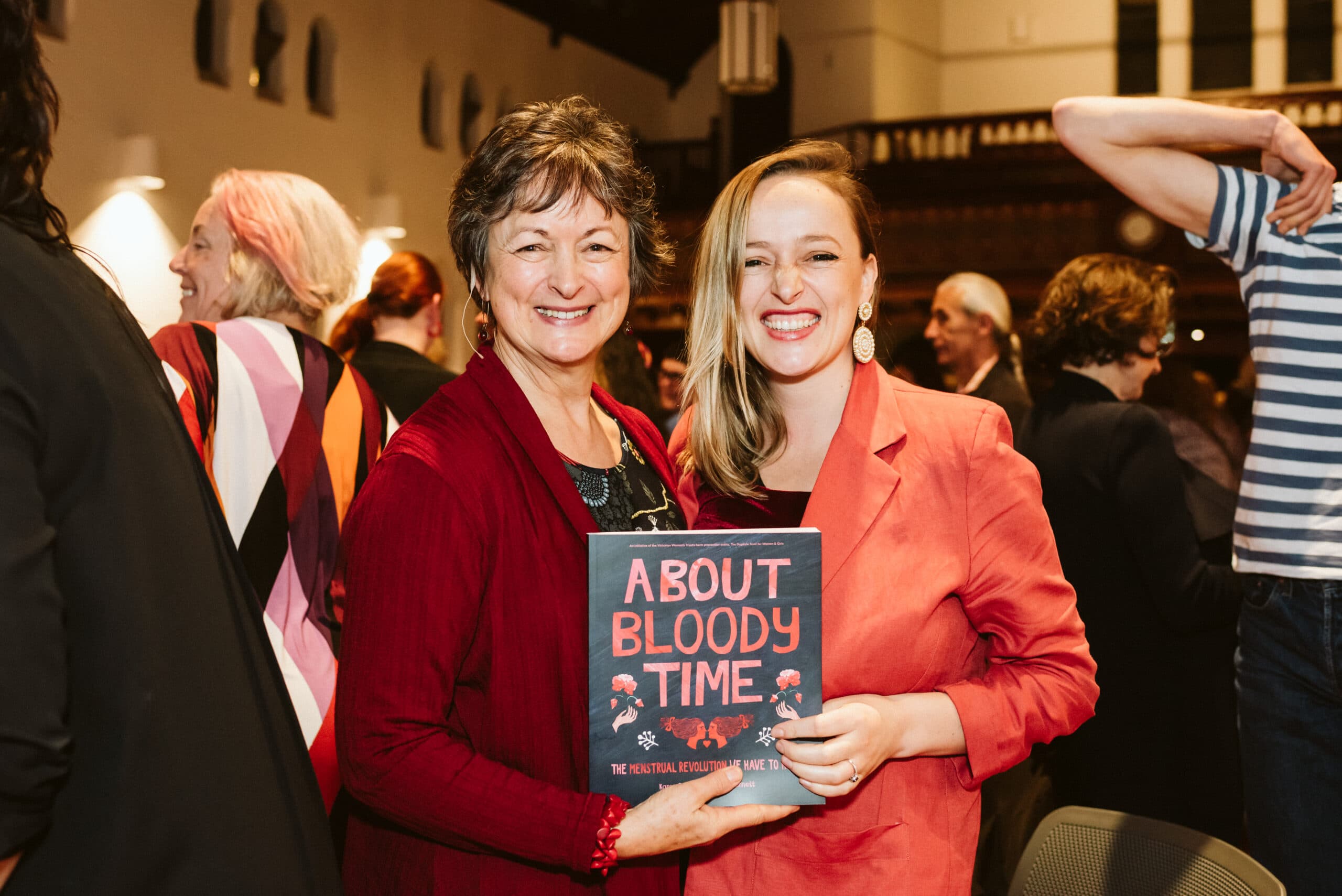
In 2019, the Victorian Women’s Trust published About Bloody Time, a book that made the case for menstrual revolution as an essential key to unlocking gender equality.
The Menstrual Revolution We Have to Have
Breaking Down the Taboo
Co-authored by Karen Pickering and Jane Bennett, the book drew on the lived experiences of over 3,000 women and girls. The findings were unambiguous: shame, stigma, humiliation and disgust around menstruation and menopause were pervasive, entrenched, and harmful.

Making space for important conversations
As a resource, About Bloody Time digs deep into the menstrual taboo — where it exists, how it came to be, and why it’s so resilient. It proposes a positive new culture of menstrual wellbeing, grounded in the idea that menstrual silence is not only counter to women’s health, but to the realisation of their full human rights.
A second edition, with an updated call to action, was published in 2026.

From research to policy action
The research behind About Bloody Time grew directly from VWT’s own workplace practice. In May 2016, VWT introduced what is believed to be Australia’s first Menstrual and Menopause Wellbeing Policy, allowing staff experiencing symptoms of menstruation or menopause to work flexibly without depleting their sick leave, a policy template now freely available for any organisation to adopt.
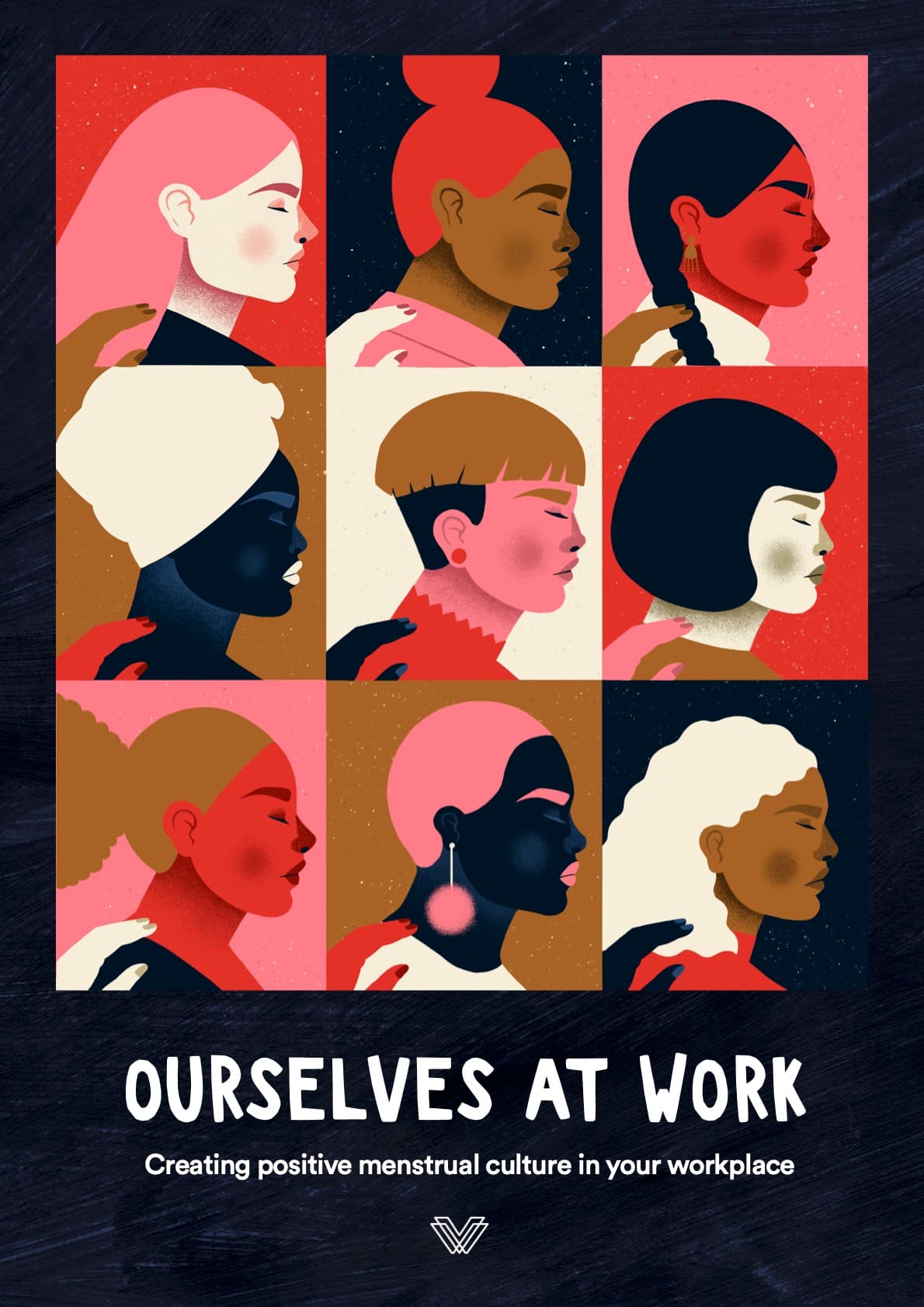
That research also underpins Ourselves at Work: Creating Positive Menstrual Culture in Your Workplace, a practical guide by Karen Pickering and Jane Bennett that makes the case for why positive menstrual policies benefit not just employees but organisations, details the consequences of the menstrual taboo, and offers a step-by-step action plan, including case studies of businesses that have already made the change.
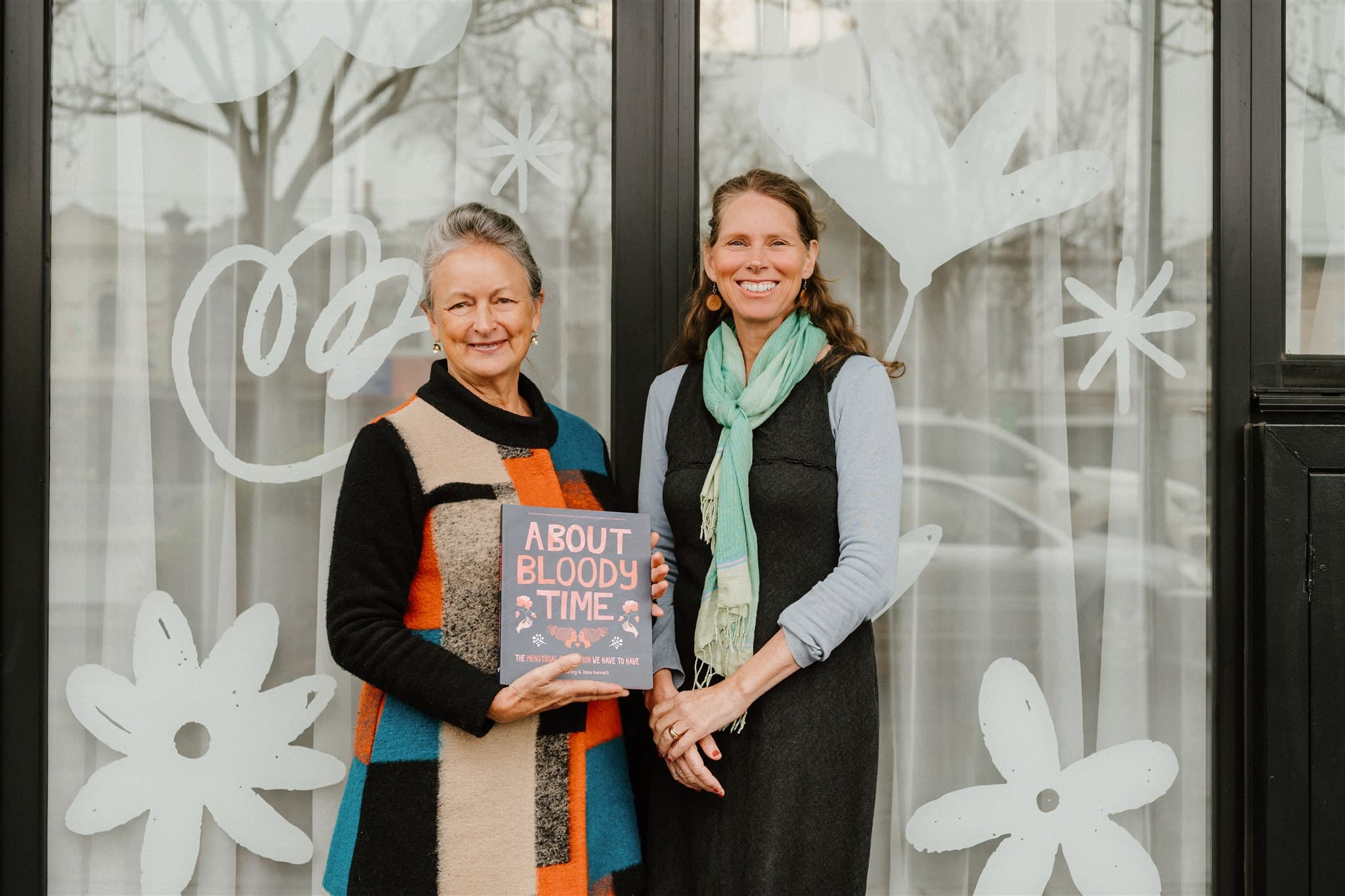
About Bloody Time sparked new ideas
The policy and the book has been widely profiled across media outlets such as The Guardian, Sydney Morning Herald, ABC News, and CNN, reaching millions of people. Within a few years, organisations across Australia and internationally had adopted VWT’s policy template, including Studio Mayday in New Zealand, Salesforce’s Melbourne office, and The Cova Project. In September 2020, Victoria’s Health and Community Services Union cited the policy as foundational to their campaign for Reproductive Health and Wellbeing Leave in enterprise bargaining. By 2021, a major superannuation fund (Verve Super and its parent organisation, Future Super) had introduced paid menstrual and menopause leave.
Workcycle: Workplace education on Menstrual and Menopausal Wellbeing
The work also seeded a broader ecosystem. In 2017, co-author Jane Bennett founded the Chalice Foundation, a not-for-profit dedicated to positive menstrual culture. WorkCycle (an initiative of the Chalice Foundation, She Listens, and The Dugdale Trust for Women and Girls) now delivers workplace education programs on menstrual and menopausal wellbeing to organisations across Australia and New Zealand, supported by a Targeted Impact Grant from the Victorian Women’s Benevolent Trust in 2021/2022.
"It is a great book, a great resource, from the content through to the illustrations."
Natasha Stott Despoja (UN Committee on the Elimination of Discrimination Against Women Member)
Our work is built on the belief that equality is possible, hope is necessary, and collective effort is the only way forward.
From feminist research to supporting the next generation of activists, every project is a direct line to a future where women, girls and gender diverse people matter.

Rosie
Madam Speaker

Feminist Research
Purple Sage
Gender equality doesn't happen overnight. It takes sustained effort, and needs your support.
Make a donation