Workplace Wellbeing
Menstrual and Menopause Wellbeing Policy Template
A free policy template supporting organisations to promote positive menstrual and menopausal wellbeing culture in the workplace.
Changing Workplaces for the Better
Australia's First Menstrual and Menopause Wellbeing Policy
In May 2016, the Victorian Women’s Trust introduced what is believed to be Australia’s first Menstrual and Menopause Wellbeing Policy. The policy allows staff experiencing symptoms of menstruation or menopause to work flexibly, without being penalised by having to deplete their sick leave. Periods and menopause are not a sickness — and we think it’s time workplaces caught up.
In the years since, the policy has reached an audience of over 6.2 million people, been adopted by organisations across Australia and internationally, and helped spark a union campaign for Reproductive Health and Wellbeing Leave in enterprise bargaining. We offer it here, freely, for any organisation that wants to use it.


The policy
Rationale
[Insert organisation name] has introduced a Menstrual and Menopause Wellbeing policy. Experiences of menstruation and menopause can be very debilitating, yet we have been enculturated to mask their existence in the workplace, at schools and at home. This policy supports employees in their ability to adequately self-care during their period and menopause, while not being penalised by having to deplete their sick leave. Periods and menopause are not a sickness after all. This policy also seeks to remove the stigma and taboo surrounding menstruation and menopause.
Policy
This policy is designed to provide opportunities for restful working circumstances and self-care for employees experiencing symptoms of menstruation and menopause.
The policy is designed to be flexible depending on the employee’s needs, providing for the following options:
- The possibility of working from home*
- The opportunity to stay in the workplace under circumstances which encourage the comfort of the employee (e.g. resting in a quiet area); or
- The possibility of taking a day’s paid leave.
In the case of paid leave, employees are entitled to a maximum of 12 paid days per calendar year (pro-rata, non-cumulative) in the event of inability to perform work duties because of menstruation and menopause, and their associated symptoms.
A medical certificate is not required.
This provision should be incorporated into your organisation’s Working from Home Policy.
Want to go further?
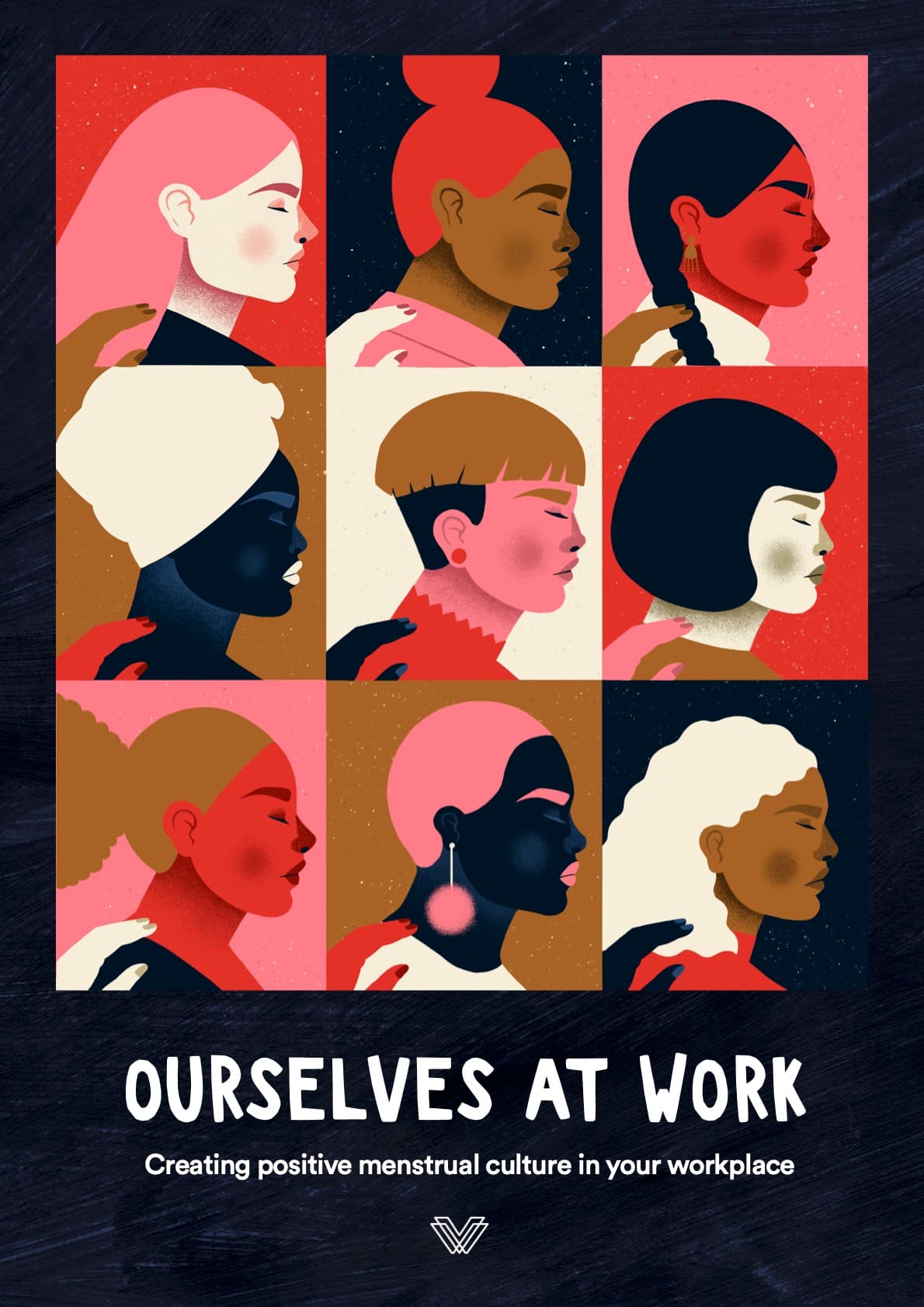
Ourselves at Work: Creating Positive Menstrual Culture in Your Workplace is a comprehensive guide to dismantling the menstrual taboo in your organisation — with the data, case studies, and step-by-step action plan to back it up. It draws on the research behind About Bloody Time by Karen Pickering and Jane Bennett.
"It is a great book, a great resource, from the content through to the illustrations."
Natasha Stott Despoja (UN Committee on the Elimination of Discrimination Against Women Member)
Our work is built on the belief that equality is possible, hope is necessary, and collective effort is the only way forward.
From feminist research to supporting the next generation of activists, every project is a direct line to a future where women, girls and gender diverse people matter.

Rosie
Madam Speaker

Feminist Research
Purple Sage
Gender equality doesn't happen overnight. It takes sustained effort, and needs your support.
Make a donation